Icons · Fashion History
The Little Black Dress: How One Garment Redefined Elegance
How Coco Chanel turned a color of mourning into the most powerful piece of clothing a woman can own.
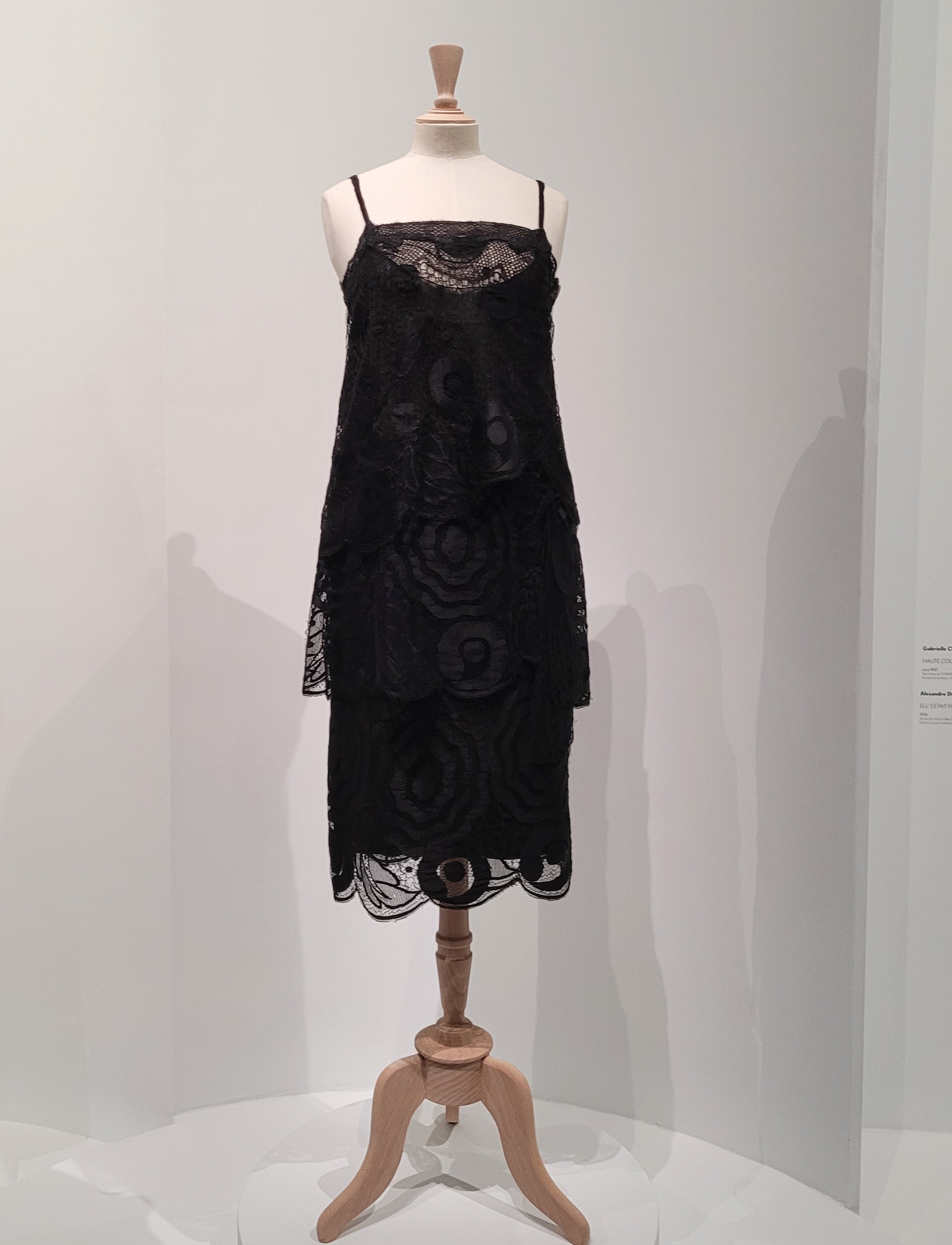
In 1926, American Vogue ran a simple sketch of a knee-length black dress and called it “Chanel’s Ford” — a comparison to the Model T car that put America on wheels. The magazine predicted it would become “a sort of uniform for all women of taste.” It was a bold claim. It also turned out to be true.
Before Coco Chanel, black was rarely a color a fashionable woman chose for herself. It was the color of mourning, of servants, of the widows who wore it for years on end. A woman in black was either grieving or invisible.
Chanel changed that in a single stroke.
Why black was revolutionary
Chanel understood something the couturiers of her day did not: that luxury could live in restraint. While the 1920s fashion houses dressed women in beads, fringe, and gold, Chanel stripped the dress down to its bones. Clean lines. No corset. No fuss. Just black fabric, cut to move.
It was, in its way, a declaration. The little black dress said: a woman does not need ornament to be powerful.
From mourning to modernity
The timing was no accident. The First World War had upended everything, including how women dressed. Crinolines and corsets gave way to looser shapes as women entered offices and factories. The little black dress was the wardrobe of a woman who worked, who drove, who danced at nightclubs and had places to be.
By the 1960s, the little black dress had found its next icon in Audrey Hepburn’s Givenchy gown in Breakfast at Tiffany’s. That one dress — worn with pearls and a cigarette holder — sold at Christie’s in 2006 for roughly $920,000, making it one of the most valuable pieces of film costume ever auctioned.
Why it still works
The genius of the little black dress is that it is never out of style because it is never really in style either. It sits outside fashion, immune to the trend cycle. It flatters every body, suits every occasion, and pairs with every accessory.
Every woman who has ever stood in front of a closet full of clothes and thought “I have nothing to wear” eventually reaches for the little black dress. It is the answer to a question fashion has been asking for a century.
And it all started with one sketch in 1926.
Chanel1920sIcons